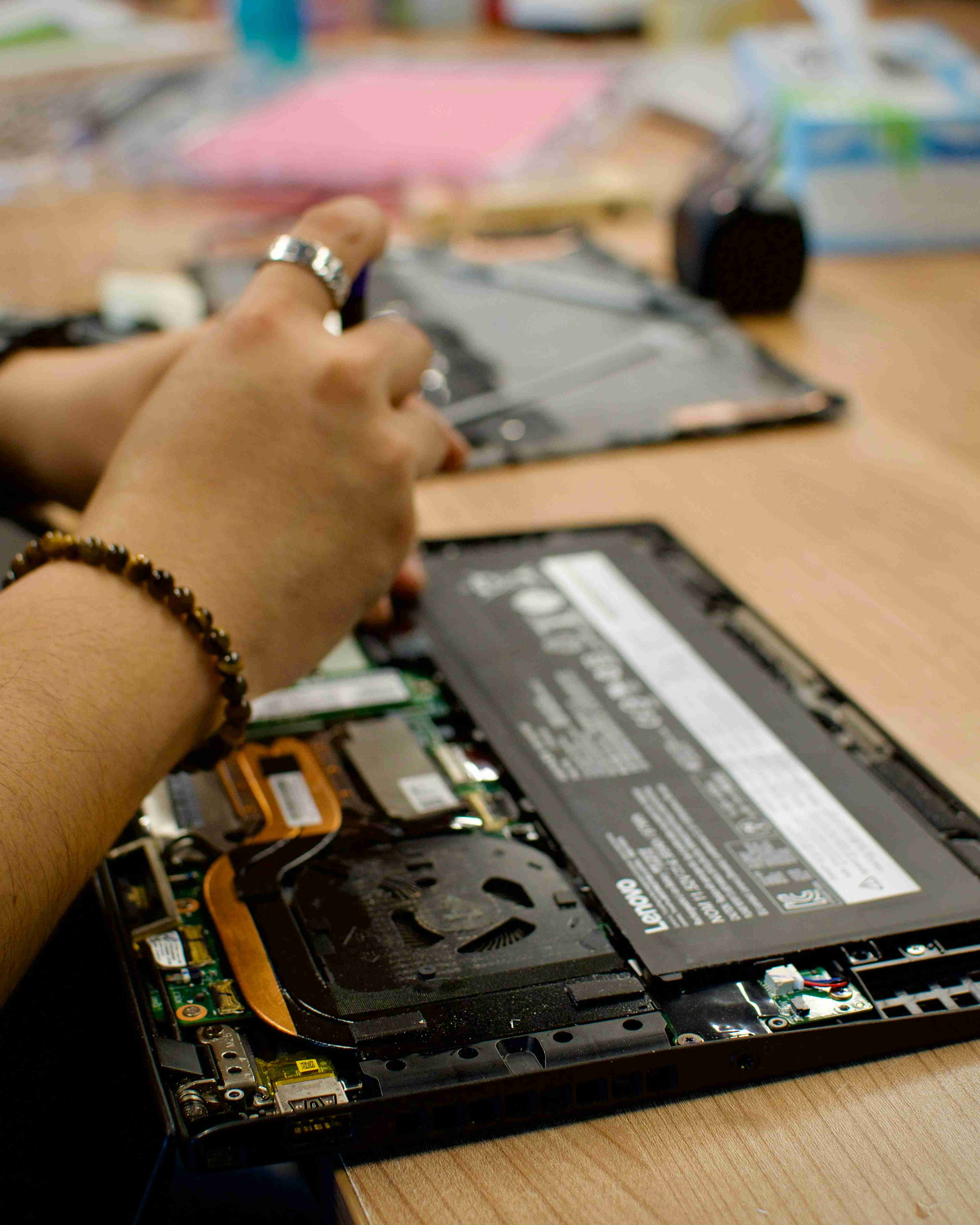
Help Desk
The ones who keep the technology running smoothly
The help desk is the face of most IT departments, serving as the primary point of contact for users seeking assistance with technology-related issues. Help desk technicians troubleshoot hardware and software problems, answer user questions, and ensure that systems are functioning properly. They play a critical role in maintaining productivity by resolving issues quickly and providing guidance on best practices.
Help desk technicians must possess strong communication skills, customer service skills and experience, along with troubleshooting skills as they often interact with users who may be frustrated or confused. It is important for the techs to be patient and empathetic towards the users they are working with to ensure they feel heard and understood, It is crucial that technicians able to explain technical concepts in a way that is easy for non-technical users to understand.
The Tools
Although help desk technicians rely on their knowledge and experience to resolve issues, they also use a variety of tools to assist them. This includes ticketing systems, remote desktop software, and knowledge bases to help diagnose and fix problems efficiently. A technicians best at work is their knowledge base along with google, which they use to quickly find solutions to common issues.
Overall
The help desk is a vital component of any IT department and organization itself, serving as the first line of support for users experiencing technical issues. By effectively utilizing their tools and knowledge, help desk technicians can quickly resolve problems and ensure minimal downtime, which helps contribute to the overall success of the organization.
Frequently Asked Questions
This FAQ is designed to answer common questions about how Help Desks operate, how issues are handled, and why certain processes exist. Whether you're exploring IT career paths or simply learning how technical support works behind the scenes, these questions provide insight into the daily functions and importance of Help Desk operations.
- What is the difference between a Help Desk and a Service Desk?
-
Although the terms are sometimes used interchangeably, a Help Desk usually focuses on resolving technical issues, while a Service Desk may also handle service requests, user access, and broader IT service management tasks. It could all depend on the organization's structure as well.
- How does a Help Desk prioritize support requests?
-
Many Help Desks use priotity levels based on the urgency and impact of an issue. For example, a system outage affecting many users would be high priority, while a minor software bug affecting a single user might be lower priority.
- What are support tiers, and why do some Help Desks use them?
-
Some Help Desks use "tiers" to organize support levels. Tier 1 handles basic issues and common questions, while Tier 2 and Tier 3 handle more complex problems requiring specialized knowledge. This structure helps ensure that issues are addressed by the most appropriate resources. It's important to keep in mind not all organizations use this tiered approach.
- What is a ticketing system, and why is it important?
-
A ticketing system is software that helps Help Desk technicians track, manage, and resolve support requests. It allows for efficient organization of issues, prioritization, and communication with users. Ticketing systems are crucial for maintaining a structured workflow and ensuring that no requests are overlooked.
- Why do Help Desks ask so many questions before fixing an issue?
-
Help Desk technicians ask detailed questions to diagnose the source of the problem more accurately. Gathering information about the user's environment, recent changes, and specific symptoms helps technicians identify the root cause and provide an effective solution. This thorough approach minimizes the risk of misdiagnosis and ensures a quicker resolution.
- How do Help Desk technicians stay updated on new technology?
-
Help Desk technicians often engage in continuous learning through training programs, certifications, and industry conferences. They also stay informed by reading tech blogs, forums, and official documentation from software and hardware vendors. This ongoing education is essential for keeping up with the rapidly evolving technology landscape.
- Why do some issues require remote access to a users device?
-
Remote access allows Help Desk technicians to directly interact with a user's device to diagnose and resolve issues. This can be more efficient than trying to guide a user through troubleshooting steps over the phone or email, as technicians can see the problem firsthand and make necessary changes directly.
- What should I do if my issue keeps happening after it was “fixed”?
-
If an issue persists after being addressed by the Help Desk, it's important to follow up with them. Provide any additional information about the recurrence, including any patterns or specific actions that trigger the problem. This feedback helps technicians reassess the situation and potentially identify underlying causes that may have been missed initially.
- How does the Help Desk contribute to cybersecurity?
-
Help Desk technicians play a crucial role in cybersecurity by educating users on best practices, identifying potential security threats, and ensuring that systems are updated with the latest patches and security measures. They often serve as the first line of defense against cyber threats by recognizing unusual activity and escalating issues to specialized security teams when necessary.
- What soft skills are helpful for working on a Help Desk?
-
Soft skills such as patience, empathy, and effective communication are essential for Help Desk technicians. These skills help them interact positively with users who may be frustrated or stressed due to technical issues. Additionally, problem-solving abilities and adaptability are important for navigating the diverse challenges that arise in a Help Desk environment.
